Key Takeaways
- Tracking costs by month, season, and year makes routine horse care easier to plan for.
- An emergency bill may include examination fees, diagnostics, medication, transport, hospitalization, surgery, and rehabilitation.
- A medical reserve and insurance coverage serve different purposes, and many owners benefit from considering both.
- Policy details such as deductibles, exclusions, waiting periods, and claim requirements matter as much as the policy name.
- A written emergency plan helps caretakers act quickly if the owner cannot be reached.
Horse ownership involves more than feed, board, tack, and routine farrier visits. A practical health budget helps owners prepare for predictable veterinary care while preserving options when a sudden illness, injury, or referral appointment occurs.
For owners comparing horse medical insurance, Ark Insurance Agency is a specialty equine and animal insurance agency that serves clients in all 50 states. Its website outlines insurance and risk-reduction options for horses, livestock, farms, stables, breeders, and related equine operations, making it a useful starting point for owners who want to understand how medical, mortality, and liability coverage may fit into a broader financial plan.
Why Horse Health Costs Need a Plan
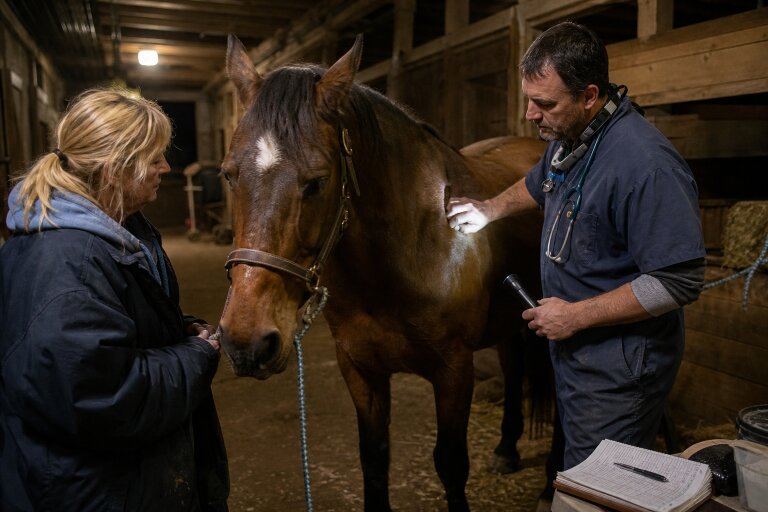
Routine care is only one part of the cost of keeping a horse healthy. A single urgent event can create several expenses in hours. For example, a horse that develops signs of colic at night may need an emergency examination, blood work, ultrasound, medication, fluids, and transport to a referral hospital. Planning does not mean assuming the worst will happen. It means deciding in advance how care will be funded if time-sensitive treatment becomes necessary.
Routine Costs to Include
Start with actual receipts from the past 12 months, then adjust for expected changes in your horse’s age, workload, location, and health. Categories to include are:
- Wellness examinations, vaccinations, testing, and health certificates when needed.
- Dental examinations and floating.
- Hoof trimming, shoeing, pads, or corrective work.
- Fecal testing, deworming, fly control, and seasonal management.
- Supplements, prescription medications, and ongoing therapeutic care.
- Pre-purchase examinations and baseline diagnostics for a new horse.
University of Minnesota Extension offers additional guidance on caring for horses on a budget, including the value of discussing financial limits and emergency decisions with a veterinarian before a crisis arises.
How Emergency Bills Can Grow
Emergency invoices often reflect much more than the initial farm call. Charges may include an after-hours fee, diagnostics such as radiographs or ultrasound, sedation, fluids, medications, wound care, hospital admission, trailer transport, surgery, intensive monitoring, and follow-up rehabilitation. Emergency access also varies by region. Some areas have nearby equine referral hospitals, while others require long-distance hauling. Cornell’s Equine Hospital illustrates the type of round-the-clock emergency, diagnostic, surgical, and hospitalization services that may be needed for serious cases.
Building a Horse Medical Care Fund
Separate routine care from unexpected treatment so one does not consume the other. A simple process is to review prior expenses, estimate the next year’s planned care, set a reserve target for emergencies, and deposit money monthly into an account that is accessible on evenings, weekends, and holidays. Revisit the target after a move, new diagnosis, purchase, retirement, or major change in riding activity.
Where Insurance May Fit
Insurance is not a replacement for savings, but it may help manage eligible high-cost claims. Depending on the policy, coverage may involve mortality, major medical treatment, surgery, liability, or risks connected to a horse business. Read the actual contract carefully. A policy label alone does not explain what conditions, expenses, or circumstances are covered.
Questions to Ask Before Buying Coverage
- Does the policy address accidents, illness, surgery, or only specific conditions?
- Is the deductible applied per claim, per condition, or per policy period?
- How are pre-existing conditions, waiting periods, age limits, and renewals handled?
- Are diagnostics, medication, rehabilitation, hospital stays, and transport eligible expenses?
- Is pre-approval required, and what records are needed to submit a claim?
- What are the annual limits, reimbursement terms, and exclusions?
Creating a Simple Emergency Plan
Keep a one-page emergency plan at the barn and share it with trainers, family members, and authorized caretakers. Include:
- Primary veterinarian, backup clinic, and nearest referral hospital.
- Trailer owner, backup hauling contact, and directions for the property.
- Horse identification, recent photographs, medications, allergies, and health history.
- Insurance information and treatment authorization limits.
- The preferred contact method and a backup decision-maker.
Sample Horse Health Budgets
Leisure Horse
Prioritize annual preventive care, dental work, hoof care, and a modest monthly emergency reserve.
Performance Horse
Plan for more frequent examinations, lameness assessments, diagnostics, therapeutic services, and a larger reserve for injury-related care.
Senior Horse
Allow for additional dental monitoring, medications, supplements, diet changes, blood work, and recurring-condition management.
Common Questions From Horse Owners
Should a horse owner choose savings, insurance, or both?
Savings provide immediate flexibility, while insurance may help with eligible major claims. The right balance depends on the horse’s age, value, health history, intended use, and the owner’s financial capacity.
Does horse medical insurance cover routine care?
Many policies focus on eligible accidents, illnesses, surgery, or major treatment. Routine preventive care may be excluded or covered only under separate terms.
Can a horse be insured after a diagnosis?
Coverage may still be available, but the diagnosed condition could be excluded. Eligibility varies by insurer and policy.
How often should a horse’s health budget be reviewed?
Review it at least annually and after major changes, including a new diagnosis, relocation, change in competition level, or purchase of another horse.
Conclusion
A horse health budget supports calmer decisions when treatment cannot wait. By tracking routine expenses, maintaining an accessible emergency reserve, reviewing coverage terms, and sharing a clear care plan, owners can protect both their horses and their financial stability.