Key Takeaways
- Understand the purpose and mood of each room to select appropriate art.
- Consider size, scale, and placement for visual harmony.
- Explore various styles and materials to complement your décor.
- Use proper hanging techniques to ensure safety and appeal.
Table of Contents
- Living Room
- Bedroom
- Kitchen
- Bathroom
- Home Office
- Hallways and Staircases
- General Tips for Hanging Wall Art
- Conclusion
Wall art has the power to transform any room, adding personality, warmth, and visual balance while reflecting your unique style. Whether you’re decorating a cozy bedroom, creating a welcoming entryway, or enhancing a spacious living room, thoughtfully chosen hanging wall art can tie together colors, textures, and furnishings for a cohesive look. Understanding how to style artwork for different spaces helps ensure each room feels inviting and well-designed.
For homeowners seeking distinctive décor, hand crafted hanging wall art St. Augustine FL offers a timeless way to elevate both traditional and contemporary interiors. Local artisans create one-of-a-kind pieces that showcase exceptional craftsmanship and character, making each installation a meaningful focal point. By selecting artwork that complements your home’s architecture and purpose, you can create beautiful spaces that feel both personal and enduring.
Living Room
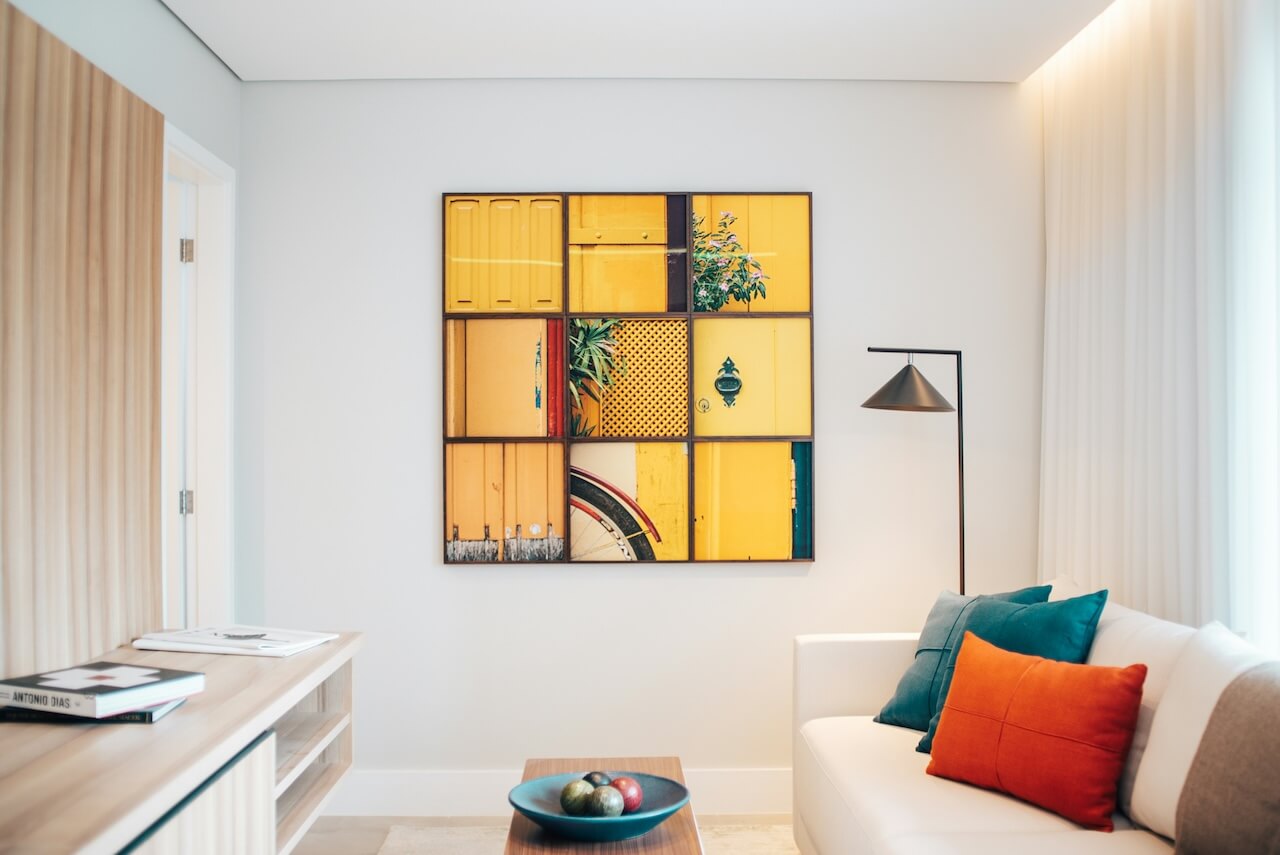
Your living room often serves as the heart of the home, making it the perfect place to showcase art that becomes a focal point. Large-scale wall art over a sofa or fireplace draws attention and sets the mood for social gatherings. If bold singular pieces are not your style, arranging a gallery wall using a mix of frame sizes and art styles creates texture and narrative. Make sure the overall design complements your furniture and existing décor; for example, a vibrant abstract canvas can inject energy and serve as a conversational piece in a minimalist setting.
When selecting living room art, think beyond color palettes. Consider the personal significance of what’s displayed and how guests might interact with it. Keeping your art at eye level makes the space approachable and highlights the beauty of your chosen pieces.
Bedroom
The bedroom is a sanctuary, so prioritize pieces that nurture relaxation. Soft landscapes, serene abstract designs, or even monochrome photography can create a restful atmosphere. Art placed above the bed or on the wall facing it adds symmetry and flow to the space. Avoid oversized or overly energetic prints, as these can distract rather than soothe.
Pairing artwork with soft fabric headboards, calming wall colors, and plush bedding layers further enhances tranquility. Delicate framing and muted color schemes for art in the bedroom allow you to visually unplug after a busy day.
Kitchen
The kitchen is the heart of daily activity and benefits from lively, personable art. Small prints or coordinated collections around meal prep or dining areas are ideal for injecting personality without overwhelming limited wall space. Art featuring food, family celebrations, or local market scenes adds warmth and familiarity.
Look for pieces made with materials that can withstand kitchen humidity and are easy to clean, such as framed prints under glass or metal wall sculptures. Avoid placing art too close to direct sources of heat or moisture for longevity and easy upkeep.
Bathroom
Bathrooms are often overlooked spaces for including art, yet even modest prints can create a spa-like retreat. Incorporate framed prints under glass to protect from moisture, or choose materials like treated wood, ceramics, or acrylics. Nature-inspired themes or calming abstracts can visually expand a smaller room and create a sense of zen.
Avoid placing art where it will come into direct contact with water, such as above the bath or sinks. Instead, hang art on walls above towel racks or on entry walls where it can be appreciated without risk of damage.
Home Office
Curating art for your home office is about balancing inspiration with professionalism. Choose pieces that motivate, such as abstract art in calming colors, minimalist graphics, or artwork with encouraging quotes. This not only boosts productivity but also creates an engaging backdrop for virtual meetings.
Hang art at eye level behind or adjacent to your main workspace. Rotating smaller art pieces seasonally or as your projects change can keep the environment dynamic and fresh.
Hallways and Staircases
Transitional spaces like hallways and staircases deserve just as much attention. These narrow or oddly shaped walls are suited for a curated gallery of smaller pieces, family photo collections, or art with a common theme. Consistent framing style and equal spacing give a polished, gallery-inspired effect.
Use a tape measure and level to plan placement in advance. Well-placed art in a hallway can guide the eye and create a narrative as people move through your home.
General Tips for Hanging Wall Art
- Height: Hang each piece so the center is about 57-60 inches from the floor, aligned with average eye level. This creates balance and makes your artwork easy to appreciate.
- Spacing: For gallery walls, maintain 2-3 inches between frames for an organized look.
- Lighting: Use directional lighting to highlight key artworks and avoid harsh glare. Consider dedicated picture lights for premium pieces.
- Safety: Always ensure secure mounting with proper hardware, particularly in high-traffic areas or homes with children.
Conclusion
Thoughtfully styled wall art can elevate every room by adding personality, balance, and visual interest. By choosing pieces that suit each space, carefully placing them, and using secure hanging techniques, you can create a cohesive home that reflects your style. Well-crafted artwork transforms everyday walls into meaningful focal points you’ll enjoy for years to come.