Table of Contents
- Pre-Operation Inspections
- Proper Training and Certification
- Appropriate Attire
- Safe Load Handling
- Maintaining Clear Visibility
- Adhering to Speed Limits
- Awareness of Pedestrians
- Parking Procedures
- Ongoing Education and Safety Meetings
- Importance of Communication
Operating a forklift demands not just technical skill but also unwavering attention to safety protocols. Every year, forklift-related workplace accidents result in injuries and operational downtime, making it crucial for operators to remain vigilant. Enrolling in forklift classes Riverside CA, is a proactive step for anyone who wishes to master both the mechanics and the safety requirements of forklift operation. Adhering to proven safety practices can mean the difference between a routine workday and a costly accident.
Those who commit to a culture of safety not only protect themselves but also contribute to a more efficient and secure work environment. A systematic approach to inspection, training, visibility, and awareness is key to safely navigating warehouses and worksites where forklifts are in use. By understanding and applying best practices, operators remain compliant with regulations and help foster a safer workplace for everyone.
Pre-Operation Inspections
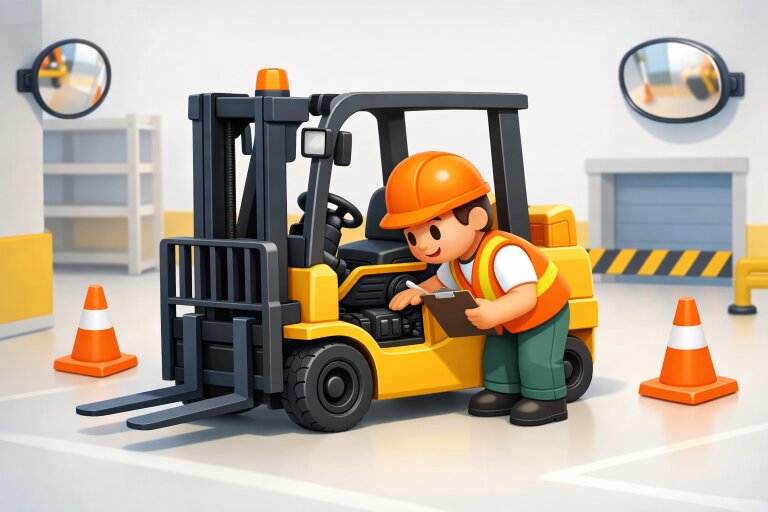
A daily forklift inspection before each shift is critical for workplace safety. Operators should look for fluid leaks, worn tires, and confirm the functionality of all safety devices, such as lights, horns, and brakes. Catching problems early prevents malfunctions that could pose risks to employees and materials. According to OSHA’s forklift safety guidelines, these inspections are required for all operators and play a vital role in preventing accidents.
Proper Training and Certification
Forklifts are powerful machines that require dedicated instruction to operate safely. Only individuals with up-to-date training and certifications should be behind the controls. Comprehensive programs cover everything from basic maneuvering to emergency procedures, ensuring operators are equipped for the challenges they may encounter on the job. Well-trained operators are less likely to make errors that could endanger themselves or others.
Appropriate Attire
Forklift operators should wear clothing that prioritizes both safety and visibility. High-visibility vests, steel-toed boots, and hard hats are standard in most industrial environments. Loose clothing, chains, or jewelry should never be worn because these items can become entangled in moving parts. Dressing properly is an easy step with significant benefits, and it helps establish a safety-first culture on the floor.
Safe Load Handling
One of the leading causes of forklift accidents is improper load handling. Always check that the load is stable and well within the forklift’s rated capacity. Lifting a load that is too heavy or off-balance increases the risk of tipping, dropping materials, or damaging products. Before transporting, ensure the load is centered and secure to minimize hazards during movement. For a deeper dive into load handling, OSHA’s guidelines on load composition offer advanced tips.
Maintaining Clear Visibility
An operator’s ability to see obstacles, signage, and colleagues is vital. Never proceed forward with a load that blocks your view. Instead, operate the forklift in reverse or request a spotter if necessary. Use mirrors and be mindful of blind spots to maintain situational awareness. Effective communication and visual clarity are cornerstones of operational safety.
Adhering to Speed Limits
Driving at a safe speed is one of the simplest ways forklift operators can avoid accidents. Most incidents involve excessive speed, especially when rounding corners or traversing busy areas. Operators should decelerate when approaching intersections or entering congested areas. By managing speed, tip-overs and collisions become much less likely.
Awareness of Pedestrians
Forklift operators must be constantly aware of nearby foot traffic. Use horns when approaching cross aisles, blind spots, or entrances where pedestrians may not expect a forklift. Establishing eye contact with pedestrians helps confirm that both parties are aware of each other’s presence. This mindful approach discourages risky behavior and supports a safer workplace culture.
Parking Procedures
Safe parking is more than just turning off the ignition. Always lower the forks completely to the ground, activate the parking brake, and turn off the power. Park only in designated zones to keep aisles, exits, and emergency routes clear for other equipment and personnel. This routine minimizes the likelihood of accidents after the vehicle is no longer in use.
Ongoing Education and Safety Meetings
Continuous learning is a cornerstone of workplace safety, especially for forklift operators. Regularly scheduled safety meetings and refresher courses ensure that important safety protocols are reinforced and that employees stay current with any regulatory changes or equipment upgrades. Incorporating scenarios and discussions about past incidents during training sessions helps reinforce lessons learned and highlight the consequences of disregarding proper safety procedures. Encouraging a culture in which questions and feedback are welcomed during meetings can further ensure that every operator feels empowered to speak up about potential hazards.
Importance of Communication
Clear and intentional communication is fundamental when working in environments with moving equipment, such as forklifts. Operators should use established hand signals, radios, or other communication tools to coordinate movements with fellow workers, particularly in noisy or low-visibility areas. Forklift operators must be diligent in signaling their intentions when changing direction, stopping, or starting to move, preventing misunderstandings that could lead to injury. Management should also encourage open communication about any unsafe behaviors or conditions observed, promoting immediate corrective action and fostering a safer workplace for all.
These safe operating practices form the foundation of responsible forklift operation. With proper inspections, training, attire, and awareness, operators play an essential role in reducing workplace accidents and fostering a safer environment for everyone. For additional guidance, refer to BigRentz’s forklift safety guide, which offers more in-depth recommendations.